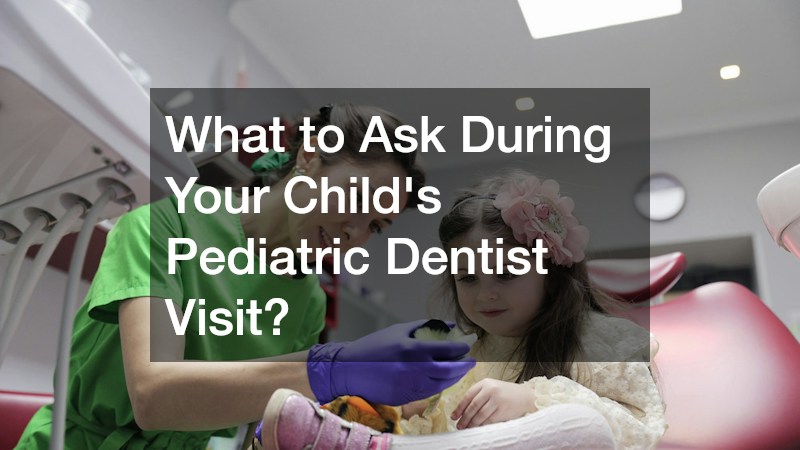
Visiting the dentist with a young child often feels like a high-stakes balancing act. Between managing mid-morning meltdowns, wrestling with waiting room toys, and keeping track of diaper bags, it is easy to treat the appointment as a chore to survive rather than an opportunity to seize. Once your child is finally in the chair and open-wide, the default impulse for many parents is to sit back, let the doctor work in silence, and nod along to the final summary.
However, leaving the room without asking targeted questions means missing out on tailor-made preventive care. Your child’s mouth changes rapidly, and what worked six months ago might be setting the stage for enamel wear or alignment issues today.
Partnering with a skilled pediatric dentist gives you access to practical insights that turn everyday home routines into powerful defenses against early tooth decay. By bringing a thoughtful list of questions to your next visit, you transform a brief routine checkup into an invaluable roadmap for your child’s long-term health.
Focusing on Early Milestones and Habit Control
The early years are defined by rapid physical development, and a child’s mouth is no exception. During infancy and toddlerhood, the primary goal is monitoring tooth eruption while curbing comfort habits before they cause structural damage.
Consider a typical scenario: your two-year-old still relies on a pacifier to fall asleep, or habitually sucks their thumb when tired. While these self-soothing mechanisms are entirely normal in early infancy, allowing them to persist too long can alter the shape of the roof of the mouth and pull developing teeth out of alignment.
Rather than waiting for a visible bite problem to emerge, bring these topics up early during your visit:
-
Is my child’s dental and jaw development tracking on schedule for their age?
-
At what age should we actively transition away from thumb-sucking or pacifiers to avoid impacting their bite?
-
What specific signs of baby bottle tooth decay should I look for at home?
A dedicated pediatric dentist tracks these subtle growth patterns across visits, offering gentle, age-appropriate strategies to phase out oral habits before permanent changes occur.
Fine-Tuning Daily Brushing Techniques and Dietary Choices
Maintaining a child’s oral health at home often feels like an uphill battle, especially when toddlers actively resist the toothbrush. Many parents struggle through nightly brushing standoffs, wondering if they are actually cleaning the teeth effectively or simply going through the motions.
When addressing daily hygiene, it helps to focus on practical, problem-solution strategies during your appointment. If your child fights you every time the toothbrush comes out, do not hesitate to ask for a live demonstration. Ask the practitioner to show you alternative positioning techniques, such as the lap-to-lap position, which gives you better visibility and control without causing distress.
Dietary habits also warrant a direct conversation. Many parents are surprised to learn that seemingly healthy options—such as fruit pouches, dried fruit snacks, or gummy vitamins—are primary drivers of early childhood cavities because they cling to the deep grooves of young molars. During your appointment, ask which hidden sugars might be sneaking into your child’s routine and request clear guidance on fluoride usage. Getting a clear answer on whether your child needs a smear or a pea-sized dot of fluoride toothpaste removes the guesswork from your nightly routine.
Protecting Vulnerable Molars and Spotting Alignment Issues Early
As children enter school age, their primary teeth face new challenges from changing diets, growing jaws, and incoming permanent molars. This phase requires a forward-looking strategy that anticipates physical changes before they turn into complex dental issues.
Key Areas to Evaluate During School-Age Checkups
-
Enamel Protection: Assessing deep grooves in new molars to see if sealants are necessary.
-
Structural Growth: Checking for mouth breathing, airway obstruction, or jaw crowding.
-
Trauma Prevention: Planning for custom mouthguards for youth sports and active play.
During this stage, your questions should shift toward long-term prevention. Inquire whether your child is a candidate for dental sealants—a thin, protective coating painted onto the chewing surfaces of back teeth to block out food particles and bacteria. It is also the ideal time to ask about airway health and jaw alignment. If you notice your child sleeping with their mouth open or snoring, mention it. Early identification of narrow arches or tongue-ties can prevent complex orthodontic problems and sleep disruptions later in childhood.
Creating a Fear-Free Experience for Young Patients
For many adults, dental anxiety traces straight back to a frightening experience in early childhood. Modern clinical environments are designed to break that cycle, but home preparation plays an equally vital role in shaping how a child views health visits.
The language used around dental care can either build confidence or trigger unnecessary fear. Avoid using trigger words like “shot,” “drill,” “hurt,” or even well-meaning phrases like “it won’t hurt,” which unintentionally introduce the concept of pain. Instead, ask the team what child-friendly terminology they use in the office so you can mirror that exact language at home.
You can also ask how to handle an uncooperative or fearful child without making them feel punished. Practitioners trained in behavior guidance use techniques like “Tell-Show-Do,” where they explain a tool in fun terms, show it on a fingernail, and then use it in the mouth. Learning these communication tools allows you to reinforce positive associations between appointments, ensuring your child grows up viewing oral care as a natural, stress-free part of life.
Building a Lifelong Foundation
A successful appointment does not end when your child steps down from the chair. The insights, technique adjustments, and preventive strategies gathered during those brief thirty minutes shape how you care for your child’s smile every single day. By arriving prepared, asking specific questions, and maintaining an open dialogue about your child’s unique development, you turn routine care into proactive protection. Take a few minutes before your next visit to note down your main concerns—your child’s future smile will thank you.