A cavity, also known as tooth decay, is one of the most widespread health concerns globally. It begins as a microscopic weakening of the tooth enamel, often caused by the interaction between sugary foods and the natural bacteria living in the mouth. There is rarely any pain during these initial stages, and the visual signs are usually completely invisible to the untrained eye. However, if allowed to progress unchecked, this minor enamel erosion can burrow deeper into the tooth structure, eventually reaching the sensitive nerve center. Once decay reaches the inner pulp, it transforms from a simple nuisance into a severe, painful, and often expensive medical emergency.
This is precisely why regular professional intervention is paramount. Because of this, dentists serve as the primary line of defense against the progression of tooth decay. Through a combination of early detection, preventative treatments, swift restorative procedures, and ongoing patient education, they ensure that minor spots of decay never have the opportunity to threaten the overall health of the mouth.
The Importance of Early Detection and Diagnosis
The most effective way to stop a cavity from becoming a severe problem is to find it while it is still in its infancy. Tooth decay does not happen overnight; it is a gradual process of demineralization. By the time a patient actually feels pain or sensitivity to hot and cold beverages, the decay has typically already advanced past the protective outer enamel and into the softer dentin layer beneath. To prevent this progression, dentists utilize specialized diagnostic tools and thorough examination techniques that go far beyond a simple visual check.
During a comprehensive examination, professionals use small mirrors and specialized instruments to feel the surfaces of each tooth, searching for any soft spots or structural weaknesses that indicate active decay. Advanced imaging technology plays an absolutely critical role in this early detection phase. Radiographs allow professionals to see between the teeth and beneath the gum line, areas that are entirely hidden from the naked eye. By identifying shadows or irregularities on these images, the practitioner can diagnose decay long before it compromises the structural integrity of the tooth.
Routine Cleanings and Preventative Treatments
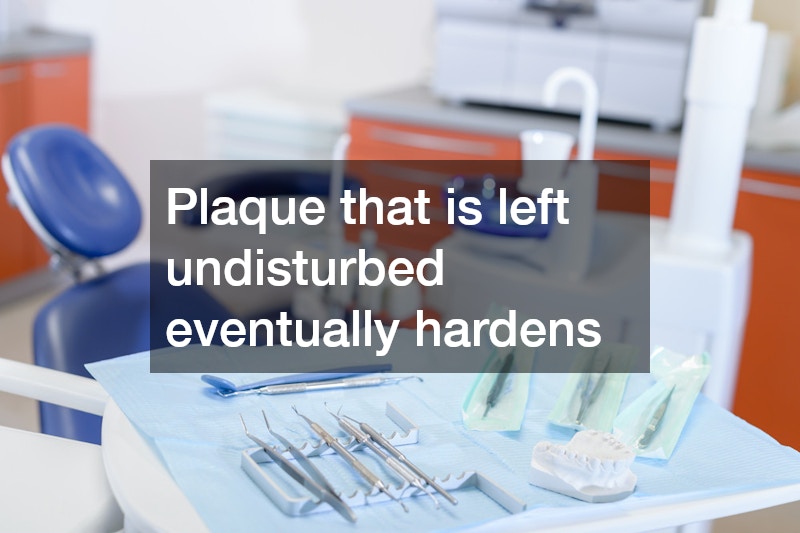
While brushing and flossing at home are the foundation of good oral hygiene, they are rarely sufficient to remove all the plaque and bacteria that accumulate in the mouth over time. Plaque that is left undisturbed eventually hardens into calculus, commonly known as tartar. At this hardened stage, no amount of rigorous brushing at home can remove it. Professional cleanings performed by dentists and their associated hygienists are the only effective way to safely scale away these deposits.
Beyond simply cleaning the teeth, these regular appointments are utilized to apply highly effective preventative treatments. Fluoride applications are a cornerstone of preventative care. Fluoride is a naturally occurring mineral that absorbs into the tooth enamel, actively remineralizing weak spots and making the teeth significantly more resistant to acid attacks. For patients who are particularly susceptible to decay, dentists often recommend the application of dental sealants. These thin, protective coatings are painted onto the chewing surfaces of the back teeth, which have deep grooves where food particles and bacteria easily become trapped. By filling in these vulnerable fissures, sealants create a smooth, easy-to-clean surface, effectively blocking decay-causing agents.
Prompt Restorative Procedures
Despite the best preventative efforts, cavities do sometimes form. When decay successfully breaches the enamel, immediate intervention is necessary to halt the damage. To stop this destructive march, dentists rely on prompt restorative procedures, most notably dental fillings.
The process of placing a filling involves carefully removing the diseased and softened portion of the tooth, ensuring that no bacteria remain behind. Once the area is completely sanitized and prepared, the resulting void is filled with a durable, biocompatible material. Modern restorative materials can be precisely color-matched to the natural shade of the tooth, ensuring that the repair is virtually invisible. By removing the decay and meticulously sealing the area, the practitioner restores the tooth to its original shape and function. More importantly, this restorative work completely blocks the pathway that bacteria were using to travel toward the sensitive inner pulp of the tooth. If this intervention is delayed, the decay will eventually cause an infection in the nerve, requiring a complex root canal procedure or even a full extraction.
Patient Education and Customized Home Care
Maintaining a healthy smile is ultimately a collaborative effort between the patient and their healthcare provider. A significant portion of preventative care involves equipping patients with the knowledge and tools they need to protect their teeth on a daily basis. Good dentists dedicate time during appointments to educate their patients on proper oral hygiene techniques and routines.
In addition to physical cleaning techniques, dietary counseling plays a major role in cavity prevention. Consuming highly acidic foods or beverages rich in refined sugars provides the exact fuel that oral bacteria need to thrive and produce enamel-destroying acids. By discussing dietary habits and suggesting healthier daily alternatives, the practitioner helps patients minimize their risk factors at home.
Tooth decay is a progressive condition that requires proactive management. What begins as a microscopic vulnerability can rapidly deteriorate into a severe health issue involving extreme discomfort, advanced infections, and tooth loss. Fortunately, consistent and comprehensive care effectively disrupts this cycle of decay. By emphasizing early detection, utilizing powerful preventative treatments, performing immediate restorative work, and focusing heavily on patient education, dedicated dentists ensure that cavities are stopped long before they can inflict serious harm. Committing to regular professional care is the single most reliable strategy for maintaining a strong, healthy, and pain-free smile for a lifetime.