Understand the importance of dental accessories and how they contribute to oral health. Dental accessories play a pivotal role in maintaining effective oral hygiene, as they significantly complement regular dental check-ups. They are vital in ensuring plaque control, gum health, and the prevention of dental diseases.
By understanding the different options available, you can make informed decisions about which accessories are most beneficial for your personal dental care needs. This introduction will set the stage for the key questions to bring up during your next dental visit.
1. What Are the Best Dental Accessories for Everyday Use?
Evaluating Different Products
Dental accessories encompass a wide range of products including toothbrushes, flosses, and mouth rinses. When selecting these items, consider factors such as individual sensitivity, personal habits, and professional recommendations to ensure they effectively contribute to your oral hygiene routine. Toothbrushes come with different bristle strengths and head sizes, making it important to choose one that fits comfortably in your mouth and effectively cleans your teeth and gums. Flosses vary from traditional strings to modern picks and water flossers, each catering to different levels of comfort and efficacy. Mouth rinses, on the other hand, offer benefits like fluoride strengthening, antiseptic properties, and breath freshening; consulting your dentist can help confirm the best choice for your daily needs.
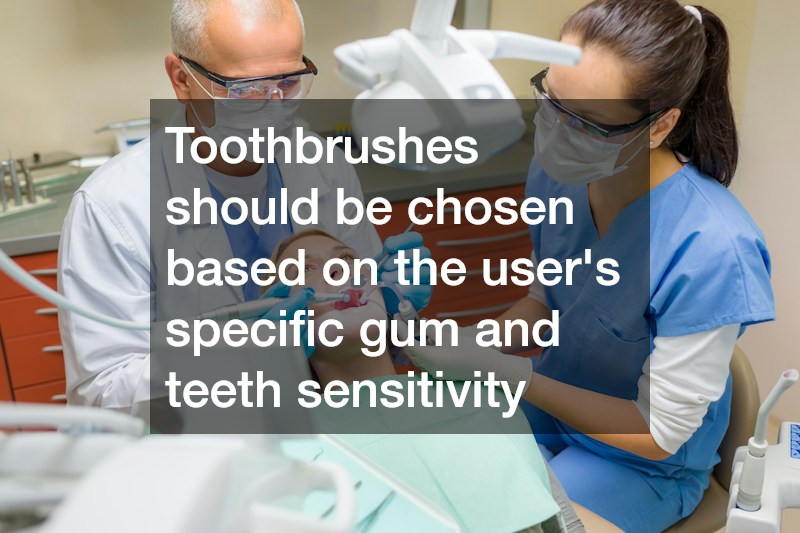
Toothbrushes should be chosen based on the user’s specific gum and teeth sensitivity. Using a hard-bristled toothbrush may cause enamel abrasion or gum damage; hence, for many, a soft-bristled toothbrush is ideal. Flossing is crucial in areas where the toothbrush bristles cannot reach; daily use of dental floss, whether waxed or unwaxed, helps in removing plaque between teeth. Mouth rinses with fluoride can provide additional protection against tooth decay, though some may find alcohol-based rinses irritating. It is worthwhile to experiment under professional guidance to discover which combinations and types of dental tools best serve your oral health needs.
Electric toothbrushes offer superior plaque removal compared to manual toothbrushes due to their automated bristle movement. Investing in an electric toothbrush can be beneficial for those who struggle with maintaining the manual technique or those with physical limitations. However, it is vital to avoid pressing too hard with electric brushes, as this may damage gums and enamel. Dentists often recommend selecting toothbrushes with features like timers and pressure sensors, enhancing oral care efficiency. Routine consultations with your dentist can offer further insights into selecting the most suitable dental accessories for daily oral health management.
2. How Do I Know If I’m Using the Right Electric Toothbrush?
Choosing the Correct Brush Type
Electric toothbrushes have revolutionized the oral care industry by providing more effective cleaning than traditional toothbrushes. The different types available range from oscillating-rotating to sonic and ultrasonic movements. Each type is designed to cater to various dental needs such as plaque control or gum care. Choosing the correct brush type involves considering factors like specific dental issues, personal comfort, and the recommendations of dental healthcare professionals. Sonic toothbrushes, for instance, are known for their ability to reach farther between teeth and hard-to-reach areas due to their high vibrational frequency.
For individuals with sensitive teeth or gums, selecting an electric toothbrush with special modes like gentle or sensitive can help avoid irritation while still effectively cleaning the teeth. Devices with adjustable power settings or interchangeable heads provide flexibility for users to tailor their brushing experience. It is advisable to consider handle design and ease of use, as a comfortable grip can make daily cleaning more effective. The availability of integrated features like a pressure sensor can prevent user error during brushing, adding another layer of protection to your oral care routine. Ultimately, choosing the right electric toothbrush should align with individual dental requirements and the advice of your dentist.
3. Are There Accessories That Can Help with Specific Dental Issues?
Targeted Solutions for Dental Problems
Many specialized dental accessories are designed to address specific oral issues effectively. For instance, interdental cleaners or proxabrushes are beneficial for individuals with dental work like braces, bridges, or wide gaps between teeth, as they can reach areas that regular floss may not. For sensitive teeth, toothpaste and gels specially formulated to alleviate discomfort can provide relief while shielding enamel from further damage. A wide variety of mouth rinses are available that target varying issues like gingivitis, bad breath, or dry mouth, with formulations that differ in medicated ingredients or alcohol content. Consulting with a dentist is crucial for selecting accessories that match your specific dental issues and to ensure a comprehensive oral care routine.
For individuals suffering from periodontal disease or gum issues, accessories like water flossers and dental picks can complement traditional flossing and brushing by providing deeper cleaning around the gum line. These tools can be particularly useful when used in conjunction with regular dental visits. For those prone to grinding their teeth, night guards or bite splints can help to prevent additional wear and potential jaw discomfort. Additionally, there are products available for bleaching or whitening teeth that can address cosmetic concerns while being safe for use over time. It’s essential to seek guidance from dental professionals when selecting and using these products to avoid potential side effects and optimize oral health outcomes.
Summarizing the various points discussed, it is evident that dental accessories are pivotal in enhancing oral care routines by addressing specific and general dental needs. From the everyday essentials like toothbrushes and flosses to innovative solutions for unique dental issues, the market offers a wide range of products to suit individual preferences and requirements. Whether considering a new electric toothbrush or targeted solutions for dental problems, guidance from your dentist forms the backbone of effective oral care management. Consulting with a dental professional not only aids in selecting appropriate accessories but also ensures that their use is optimally aligned with your health objectives. As you navigate the plethora of available options, prioritize maintaining open communication with your dentist to tailor your dental accessory choices for sustained oral health benefits.